The kitchen is in which gear meet process, and nowhere is that greater evident than inside the decision of cookware. In contemporary years, two names have stood out in the international of hybrid nonstick pans: Cookcell and HexClad. Both manufacturers promise the first-class of assorted worlds - the searing capacity of stainless steel, the convenience of nonstick, and even compatibility with induction cooktops. But with regards to purposeful widely wide-spread use, does one fairly outshine the other? I’ve put both by way of their paces in a dwelling house kitchen that sees every thing from weekday eggs to formidable weekend dinners.
What Makes Hybrid Pans Different
Hybrid pans try to remedy a standard hindrance. Traditional stainless-steel deals lovely browning however might possibly be unforgiving with mushy foods or sticky sauces. Nonstick coatings make cleanup practical but conflict at top warmth and lack durability. The hybrid pan classification attempts to bridge this gap through bonding chrome steel with a nonstick floor, continually by means of lasered or etched patterns that create both texture and function.
Cookcell and HexClad are leaders here, every one touting specific designs. They market themselves as “the remaining pan you’ll ever desire,” but their similarities can masks imperative ameliorations if you get beyond the vibrant TV spots.
First Impressions: Unboxing, Build, and Feel
Let’s delivery the place most chefs do: with heft and aesthetics. When I first unboxed a ten-inch Cookcell pan next to its HexClad counterpart, numerous matters jumped out.
The Cookcell feels enormous in hand. Its triple-ply production means weight devoid of clumsiness—imagine strong but balanced. The surfaces gleam with a hexagonal lattice sample, no longer only for appears to be like but to enable oil to pool between peaks whilst delicacies sits rather improved on metal ridges.
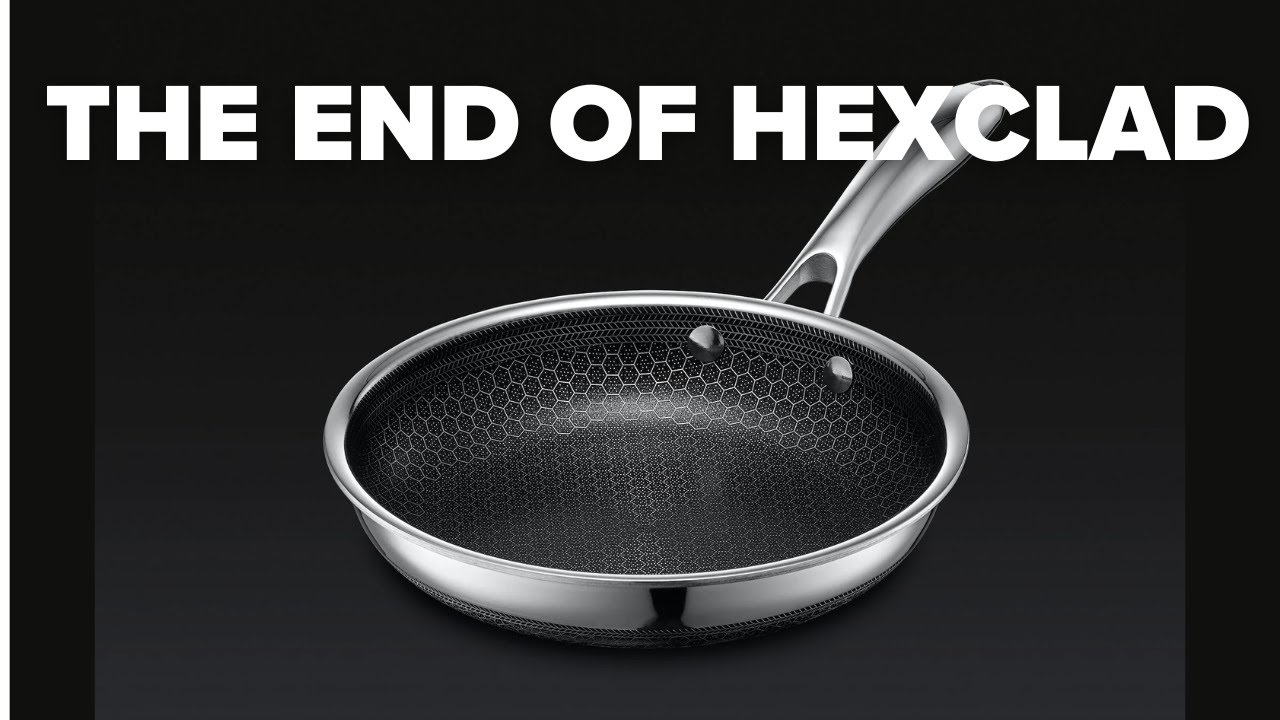
HexClad’s version seems to be comparable at first look but shows diffused differences up shut. Its etched layout is sharper and more mentioned, covering close to every little bit of cooking surface excellent up to the rim—a element a few chefs may well recognize whilst saucing or flipping meals at the threshold.
Both manufacturers convey an undeniably top class feel when compared to such a lot department store fare, even though Cookcell’s tackle design edges ahead in alleviation for longer stovetop classes.
Cooking Performance: Searing, Sauteing, Everyday Use
The evidence is necessarily in what lands to your plate. Over several months I used each pans for breakfast eggs, weeknight chook thighs, sautéed vegetables, even a few steaks driven properly beyond medium-infrequent.
Here’s where nuances emerge:
Cookcell’s floor releases foodstuff impressively smartly out of the box. Fried eggs glide off with minimum oil; pancakes turn cleanly with out tearing or sticking—a good scan for any so-often called hybrid pan. Searing proteins produces a golden crust thanks to direct contact with metal ridges at the same time as excess fat drains into recessed sections fashioned by way of the hex trend.
HexClad plays further with eggs and pancakes throughout its honeymoon part however once in a while calls for more oil as weeks go. Proteins brown fantastically through best suited temperature distribution across its tri-ply base—no bloodless spots detected—however very skinny fillets (like tilapia) once in a while stick except preheated moderately.
Where Cookcell pulls ahead is consistency over the years. After dozens of uses (and a number of trips by my dishwasher), its food unencumber is still stable so long as I circumvent metal utensils. HexClad indicates early wear on its nonstick valleys after repeated prime-warmness searing or if scrubbed aggressively.
Of route, neither may want to be careworn with natural Teflon-kind pans while you cook merely extremely-smooth units like crepes each morning—they’re hybrids for a cause—but either outperform familiar stainless steel for universal dwelling use.
Durability Under Real Kitchen Conditions
Marketing claims about “lifetime overall performance” are effortless; survival below real kitchen tension is a different remember fully.
I cook dinner so much days riding fuel burners that run sizzling and immediate in the time of dinner rushes—plus an induction hob for comfortable sauces or reheats on weekends. Here’s what stood out after months of to come back-and-forth use:
Cookcell’s triple-layer construct shrugs off thermal surprise properly—I’ve moved it from fridge-chilled ingredients straight onto roaring flames with no visual warping or base distortion. The riveted handles continue to be cool ample for naked palms except left straight away over an open flame for elevated sessions (a hassle-free oversight). The etched trend keeps its definition even after repeated scrubbing with nylon brushes.
HexClad also resists warping reliably but suggests faint discoloration across the rim after heavy tomato-dependent recipes simmer on prime heat—a basically beauty concern up to now however valued at noting should you care approximately pristine looks years down the line.
Both declare dishwasher safe practices; genuine-world enjoy says definite—yet basically while you stay away from stacking other heavy pots rapidly within them for the period of cycles because scratches can acquire immediately in crowded racks.
Cleaning Up: Soap, Elbow Grease, Dishwasher Realities
No one buys specialty pans hoping they’ll become sink dwellers needing soaking overnight. Luckily both Cookcell and HexClad live as much as their low-maintenance reputations—up to a degree.
Cookcell rinses fresh lower than warm water after most ingredients; stubborn bits carry away with delicate soap and a cushy sponge. Even burnt-on cheese from an overzealous grilled sandwich got here off with no drama after 5 minutes’ soak. Occasional smudges reply good to baking soda paste rubbed lightly onto stains—no desire for harsh chemical substances or scouring pads.
HexClad matches this ease firstly but starts off requiring a little bit more impregnable scrubbing as micro-scratches acquire residue over time—a minor annoyance instead of deal-breaker unless you routinely prepare dinner sticky-candy glazes or caramelize onions nightly.
Neither fares smartly in opposition to very aggressive metallic scouring pads; both producers formally discourage them besides in case you want warranties venerated beyond your first year.
Compatibility: Stovetops and Ovens
For every body juggling induction burners along conventional gas or electrical stoves—or moving dishes from stovetop into oven mid-meal—compatibility concerns extra than ever.
Cookcell advertises wide compatibility: induction-in a position bases as a result of magnetic chrome steel cores plus oven protection as much as 500°F (260°C). I’ve transferred frittatas straight from burner into oven broilers without component—the tackle grows hot above 400°F however on no account dangerously warm inside of demonstrated limits.
HexClad suits those claims virtually exactly: induction-competent structure, oven reliable (up to 500°F), reliable ample for informal grill use offered direct flames don’t engulf plastic accents close deal with rivets—a unprecedented scenario out of doors campfire cooking besides.
If your kitchen includes glass-topped degrees or speedy-biking transportable induction plates (usual amongst residence dwellers), the two operate admirably with out damn or asymmetric heating across their flat bases.

Price Point vs Value Over Time
Sticker surprise is genuine when puzzling over either brand—hybrid pans cost relatively greater than average nonsticks or access-stage tri-ply stainless pieces chanced on at extensive field retail outlets. As of mid-2024:
- A widely used 10-inch Cookcell skillet retails among $ninety-$one hundred twenty depending on promotions. The identical measurement from HexClad lands among $one hundred thirty-$180 (oftentimes bundled with lids).
Is that premium justified? For occasional chefs who infrequently project past scrambled eggs or Sunday bacon strips, probable now not—the durability skills will become moot if you update cookware not often anyway.
But every day residence cooks stand to advantage real significance over years considering inexpensive nonsticks in most cases degrade inside 12-24 months lower than average use—even quicker if uncovered almost always to top warmth or dishwashers in opposition t enterprise tips. Both Cookcell and HexClad again their merchandise with multi-yr warranties (restrained lifetime policy), which supports melt preliminary investment nervousness—just preserve authentic receipts accessible due to the fact claims require evidence of acquire consisting of footage documenting any defects.
Comparing Key Features Side via Side
Sometimes main points display most beneficial side through facet as opposed to misplaced in paragraphs:
| Feature | Cookcell | HexClad | |----------------------------|-----------------------------------|----------------------------------| | Surface Pattern | Etched hexagons w/ raised ridges | Laser-etched full hex mesh | | Layers | Triple-ply | Tri-ply | | Oven Safe Temp | Up to 500°F | Up to 500°F | | Induction Compatible | Yes | Yes | | Dishwasher Safe | Yes (hand-washing widespread) | Yes (hand-washing popular) | | Handle Comfort | Ergonomic & remains cool longer | Slightly heavier close rivets | | Food Release Longevity | Excellent | Good-to-glorious | | Retail Price Range | $90–$a hundred and twenty | $one hundred thirty–$one hundred eighty |
While these numbers help prepare characteristics at a look, everyday nuance nonetheless topics such a lot whilst matching pan option with confidential conduct.
Edge Cases That Matter: Stir-Fry Nights & Saucy Dishes
If you adore Asian-vogue stir fry at blistering heat tiers by means of minimum oil—or mainly finish dishes by means of deglazing fond into sauces—you’ll notice delicate ameliorations between those manufacturers.
Cookcell’s slightly increased raised development potential much less direct floor sector touching fragile proteins like shrimp throughout the time of rapid tosses; this helps decrease sticking probability yet can suggest gentler browning when put next to complete-contact stainless surfaces.
HexClad grips meals extra aggressively at high warmness on https://titusuuzg321.yousher.com/cookcell-vs-hexclad-which-hybrid-pan-offers-better-nonstick-2 account of denser etching but comes closer than many hybrids in shooting these flavorful browned bits left at the back of by seared beef cubes or sliced mushrooms.
For tomato-heavy recipes simmered long enough for acids to engage with pan surfaces (suppose shakshuka or white meat cacciatore), neither suggests overt pitting after months—however Cookcell resists discoloration more desirable according to my own trials.
Maintenance Tips From Real Experience
Whether you land on Cookcell vs Hexclad comes down partially to how much fuss you might be keen to tolerate submit-dinner.
A quick tick list assists in keeping those hybrids humming:
Let pans cool thoroughly in the past washing; surprising temp swings shorten lifespan. Stick almost always with cushy sponges; store abrasive pads simplest for precise emergencies. Avoid aerosol sprays which go away invisible residues that defeat even stepped forward nonsticks. Store each one pan one by one if seemingly; stacking hurries up wear on the ones difficult etched patterns. Re-season gently every few months by using rubbing a smear of impartial oil onto fresh floor prior to heating gently—it supports care for slipperiness exceedingly after heavy dishwasher cycles.Verdicts From Daily Cooking
After months toggling between each manufacturers—and swapping remarks with fellow homestead chefs—I’d sum up tradeoffs like this:
Cookcell delivers a little more advantageous lengthy-time period nonstick overall performance fairly for those who’re rougher on equipment or matter heavily on dishwashers all over busy weeks.
HexClad feels flashier out of the container and excels at crisp searing while you habitually prepare dinner proteins at max burner settings—however needs gentler medication through the years lest cuisine release scale down turbo than anticipated.
For kitchens in which versatility trumps all else—and magnificence isn’t sacrificed by using inevitable floor patina—both will greatly outperform discount-save possible choices awarded straight forward care regulations are accompanied.
Final Thoughts On Choosing Between Cookcell And Hexclad
If compelled right this moment between buying a different piece from both lineup knowing what I be aware of now? My cash would side towards Cookcell for its forgiving protection curve plus regular effects meal after meal—even under careless fingers wielding steel tongs late at night time.
That noted: passionate steak fanatics craving highest crust would possibly prefer HexClad’s sharper etching no matter marginally higher preservation needs.
Ultimately there’s no time-honored winner—simplest smarter decisions matched thoughtfully against your own cooking model and activities realities.
If “cookcell vs hexclad” has been circling your search history while you stare down yet an alternate warped vintage skillet for your cabinet this night—you'll relax less difficult understanding that whichever course you pick out will seemingly serve more beneficial ingredients tomorrow than the day prior to this’s tired pans ever could.