For any person who takes cooking significantly, the cleaning habitual that follows a fabulous meal can make or destroy your trip with a pan. The promise of “mild cleanup” gets tossed around by using cookware brands all of the time, but it hardly ever tells the whole story. Two hybrid manufacturers, HexClad and Cookcell, have sparked a lot of debate over which enormously grants on their low-repairs claims. I’ve spent time with both in a homestead kitchen and in industrial settings, scrubbing away at the whole thing from caramelized onions to burnt-on cheese. If you’re weighing Cookcell vs HexClad for ease of cleaning and renovation, this deep-dive will stroll you by what correctly matters - not just advertising gloss.
Why “Easy to Clean” Matters (More Than You Think)
A pan’s performance in the time of cooking is simplest half of the battle. In day by day existence, how in a timely fashion you might get it to come back into action after a sticky mess or after travelers have gone domicile makes a extensive difference. If you adore searing proteins or experimenting with sauces that have a tendency to hold, you realize the affliction of suffering with obdurate caught bits or worrying approximately dangerous your investment with the inaccurate scrubber.
Beyond convenience, cleaning has truly effects for a way lengthy your pan lasts. A surface that is fussy approximately which gear or detergents you operate can birth hunting worn within months. Pans that resist stains and release nutrients absolutely generally tend to seem to be more beneficial years down the road - and save you payment on replacements.
Understanding Hybrid Pan Technology
Both HexClad and Cookcell marketplace themselves as hybrid pans: chrome steel meets nonstick. But underneath the hood, their techniques diverge in delicate methods that have an affect on everyday renovation.
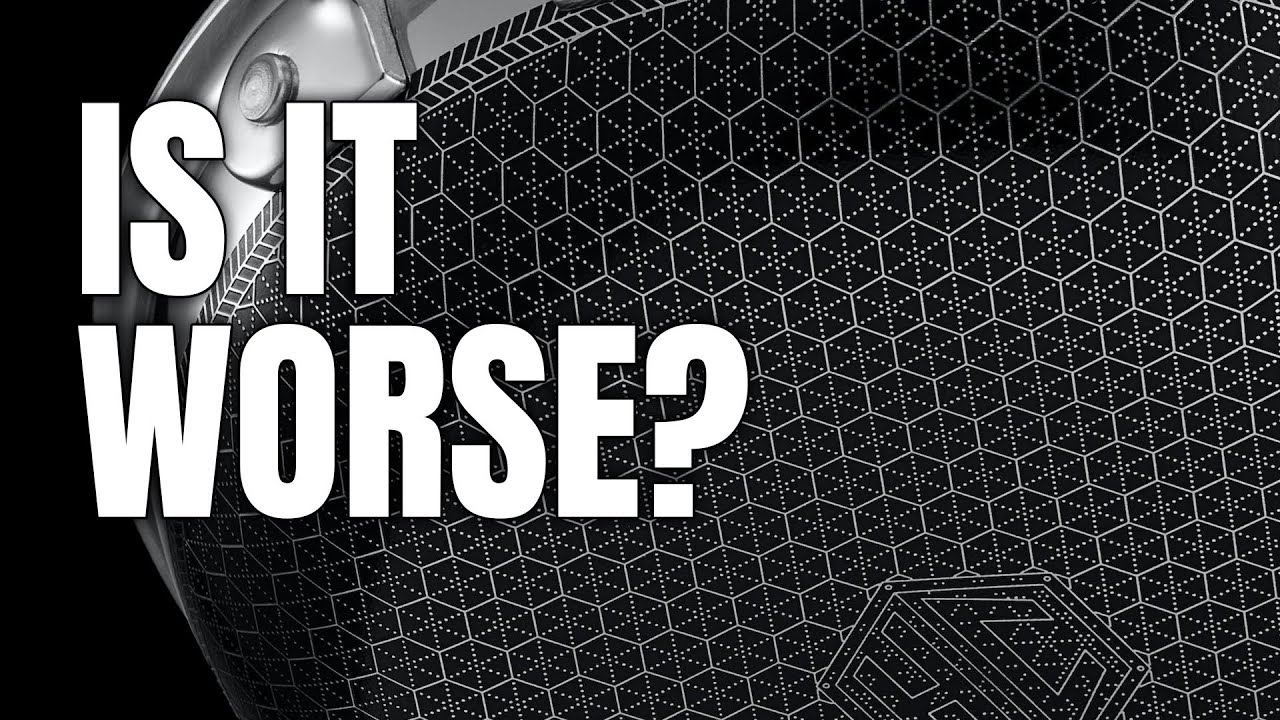
HexClad good points a stainless steel base etched with a laser pattern of hexagons stuffed with nonstick coating. The notion is that foodstuff touches primarily stainless even as the nonstick fills the gaps, making sticking much less doubtless but conserving a few of the browning blessings.
Cookcell makes use of a honeycomb mesh crafted from raised https://rentry.co/txd6dcxy chrome steel elements masking a nonstick layer below. In conception, these little metal partitions defend the nonstick from put on even as allowing for greater competitive use of steel utensils and scrubbing pads.
The big difference sounds technical, but it ameliorations how every single brand handles burnt bits, oils, acidic sauces, and dishwasher cycles.
First Impressions: Out of the Box Cleaning
Unboxing new pans continuously appears like unwrapping manageable - until eventually it’s time for their first wash. Both brands recommend washing previously first use to eradicate production residues.
HexClad arrives with an oily protecting movie that comes off really actually with warm water and slight dish soap. No different equipment needed; I’ve not at all had an hindrance getting it easy right away driving only a mushy sponge.
Cookcell regularly arrives spotless but at times has small steel dust from its mesh development manufacturing task. It takes a little bit extra attempt to rinse completely - highly round wherein metallic meets nonstick at the edges - but not anything out of the abnormal. No chemical smells or obdurate residues linger after one wash.
On this primary the front, neither pan creates an awful lot extra paintings when put next to standard stainless or nonstick options.
Real-World Messes: Cooking Eggs, Cheese, Sauces
A pan’s status for smooth cleansing commonly lives or dies by means of the way it handles eggs - extraordinarily if cooked devoid of a lot oil - and even if cheese welds itself to steel after melting.
With HexClad, eggs behave nicely so long as you preheat gently and use some fats (oil or butter). After sliding out an omelet, I to find merely skinny residue left in the back of; so much comes off below working water or with minimum sponge concentration. Scrambled eggs leave minor traces in corners the place hex styles overlap yet don’t require heavy scrubbing if tackled quickly after cooking.
Cheese is similar: melted cheddar leaves at the back of some golden crusts on each brands while allowed to cool in position. In my ride, HexClad’s hex surface traps fewer burnt bits than gentle stainless does however greater than vintage Teflon pans could permit. A soak loosens any obdurate cheese; no want for really good cleaners.
Cookcell handles the two eggs and cheese admirably too but grants a completely unique twist thanks to its raised mesh development. Food tends not to bond rapidly to exposed metal in view that maximum touch happens atop these little features rather than flat surfaces. However, if egg whites seep into crevices between mesh strains they are going to require further consideration later - specially if allowed to dry out fully ahead of washing.
Sauces (assume tomato-structured rate reductions) spotlight another difference: HexClad resists staining good unless left overnight without rinsing; even then a baking soda paste erases so much discoloration. Cookcell fares similarly on sauce stains provided you dodge abrasive powders that may erode its nonstick layer in valleys among raised mesh lines.

The Soaking Test
We all get distracted on occasion and enable pans take a seat too long formerly washing up - actual lifestyles hardly suits TV chef timelines wherein any person whisks away cookware moments after plating dinner.
I ran several “worst case” situations by leaving pans in a single day with dried-on rice starches and caramelized sugar puddles from cakes long past awry.
HexClad spoke back predictably: add hot water and dish soap for 20 minutes and so much stuck-on subject matter lifts off with no trouble with mild sponging. Occasionally I’d spot tiny flecks stuck tight towards hexagon edges; those admit defeat after going for walks a nylon brush along grooves - no harsh elbow grease wished except forget about stretches beyond 24 hours.
Cookcell calls for pretty much equivalent soaking occasions for baked-on messes but mostly wants targeted paintings round honeycomb barriers where sugars pool deeper than on smoother surfaces. Using round motions rather then returned-and-forth strokes looks extra victorious at dislodging particles trapped between mesh partitions; feel “sprucing” rather than “scraping.”
Neither floor will become unimaginable once soaked accurately but each present their quirks less than stress: HexClad cleans fastest total if food hasn’t carbonized onto exposed metallic whilst Cookcell rewards careful recognition along its particular mesh design whilst issues get in actuality robust.
Everyday Maintenance: What Holds Up Over Months?
Brand-new cookware all the time performs beautifully at first blush; longevity depends on how forgiving ingredients are as scratches accumulate or patinas advance over dozens of uses.
With HexClad over six months (primary house use), I see faint darkening around top-warm zones however no rust spots or noticeable staining even after tomato-heavy stews or wine discount rates. The hybrid surface still releases meals reliably so long as I prevent metallic scouring pads which might mar the two metallic ridges and nonstick infill alike.
Cookcell’s honeycomb continues its shine longer due to the fact raised issues take most abuse from spatulas or scrubbers whilst valleys keep their slick end higher than commonplace Teflon coatings do beneath identical workloads. One quirk emerges: grease can assemble along mesh lines if now not wiped competently in the time of washing so occasional inspection allows forestall build-up over the years.
Neither pan has chipped nor peeled in my kitchens although chums who oftentimes run theirs by way of crowded dishwashers report slight dulling at rim edges over numerous years - facts most likely extra of careless stacking than inherent layout flaws.
Dishwasher Friendliness
Many purchasers desire hybrid pans will rise up to dishwasher cycles without fuss considering the fact that hand-washing isn’t consistently lifelike for the duration of busy weeks.
HexClad markets itself as dishwasher-nontoxic; technically this holds authentic for occasional cycles though manuals nevertheless suggest hand-washing whenever one could for max lifespan. After ten runs with the aid of up to date dishwashers (utilising universal pods), I seen basically minimal cloudiness creating close cope with rivets even though cooking performance stayed steady otherwise. It’s worth noting that repeated cycles can speed up fading of any etched branding marks on bottom surfaces while interiors remain intact up to now.
Cookcell also claims dishwasher compatibility yet presentations comparable caveats in high-quality print: detergent abrasion may also steadily abrade exposed mesh tips fantastically if loaded tightly in opposition to different pots or sharp utensils knock opposed to them mid-cycle. My own exams produced no severe trouble across 8 washes nevertheless cautious placement mattered greater right here than with smoother-sided opponents – forestall letting the rest metal leisure in an instant atop those honeycomb ridges lest scratching ensue throughout turbulence within machines.
If fast cleanup trumps all else for you week-to-week then both emblem will tolerate periodic dishwasher classes although hand-washing extends lifespan highly structured on my observations across a couple of households’ workouts.
Stain Resistance Over Time
Some cookware develops unsightly discoloration even if handled rigorously – pink wine jewelry inside of saucepans being particularly notorious offenders amongst all-steel techniques.
HexClad fares higher right here due to its hybrid layer insulating bare metallic from direct acid exposure most days but occasional splotches still look following prevalent simmering of curry bases prosperous in turmeric or paprika oils; those wipe sparkling with ease with diluted vinegar if addressed quickly rather than left for weeks.
Cookcell avoids deep staining a little bit more advantageous due extensively to higher polish ranges alongside raised gridwork which discourages pigment adherence outright – awarded you don’t permit sauces dry undisturbed for long sessions before rinsing away residual sugars.
Neither form equals ceramic-lined pans’ pristine visual appeal over years however the two outperform vintage tri-ply stainless fare for all and sundry anxious approximately power shade change marring glossy interiors after simply one season’s valued at of hearty food.
Dealing With Burnt-On Disasters
Every cook faces catastrophe now after which - no matter if distracted via cellphone calls mid-sauté or experimenting beyond alleviation zones.
When blackened is still set laborious onto either surface (feel burnt milk welded under risotto), restoration is dependent less on brute pressure than procedure:
Soak affected side thoroughly with hot water mixed with baking soda then wait 30 minutes. Work gently at particles with the aid of smooth-bristled brushes shifting parallel in place of perpendicular throughout textured traces. Repeat as necessary instead of attacking outright with scouring pads that threat gouging difficult patterns.
This attitude works equally smartly across either manufacturers’ hybrids nonetheless Cookcell’s valleys do sometimes lure carbonized bits requiring a different around of patient soaking as opposed to more easy hexagon reliefs visible on HexClad units.
Aggressive abrasives must be reserved basically for absolute emergencies given possibility they pose stripping defensive coatings upfront – a specific thing manufacturers echo regardless which emblem sits stamped under your pan’s manage.
Comparing Long-Term Maintenance Costs
Over quite a few years’ ownership costs prolong past purchase expense into territory few purchasers trust prematurely – namely substitute elements (lids/handles) plus fees associated putting forward appearances by forte cleaners endorsed infrequently with the aid of either firms’ care guides.
HexClad sells branded cleanser/polish supposed primarily for restoring outdoors luster even though popular mild abrasives carry out basically identically depending on fingers-on trials mixing outdated elbow grease plus microfiber towels.

Cookcell doesn’t require unusual merchandise day-to-day but reward periodically from particular concentration paid toward aspect seams in which oils can gather invisibly except heat polymerizes them into sticky deposits hardening slowly out-of-sight until sought proactively every few months.
Neither manufacturer provides habitual hidden costs unless mishandled egregiously (dishwasher abuse/fixed overheating) that means annual preservation runs negligible in comparison opposed to early-new release coated pans infamous for wanting substitute each couple seasons due flaking interiors on my own.
Who Should Pick Which? Real-World Judgments
After years straddling solid iron purism alongside early-adopter curiosity toward hybrids like the ones featured the following I’ve stumbled on preferences cut up much less by way of advertising and marketing hype than sincere checks shaped around standard of living priorities:
Choose HexClad if:
You decide upon simple cleaning routines the place maximum messes raise without difficulty provided suggested awareness post-cooking plus would like freedom switching between stovetop searing sessions someday followed by means of delicately scrambled breakfasts next morning with no swapping apparatus utterly in among jobs.
Opt for Cookcell if:
You price resilient finishes tolerating a little bit rougher coping with (adding occasional metal spatula use) yet don’t brain pausing in short right here-and-there at some point of cleanup making certain mesh valleys obtain top rinsing/inspection when warranted through stickier recipes attempted past due at evening mid-week rushes.
Either adaptation eclipses legacy all-metal possibilities plagued through relentless stuck-ons requiring marathon scrubs truly surviving weekday dinner rotations year-in year-out – so long as vendors respect differences between “hybrid” toughness versus ancient-school indestructibility promised many years earlier with the aid of forged iron legends stored alive courtesy seasoning rituals handed down generations sooner than us all.
Quick Reference Table
| Aspect | HexClad | Cookcell | |----------------------------|----------------------------------------|---------------------------------------| | Nonstick Performance | Excellent whilst used adequately | Excellent normal | | Egg/Cheese Cleanup | Easy if steered | Easy unless deep mesh crevices | | Soaking Effectiveness | Very awesome | Very appropriate | | Dishwasher Suitability | Safe yet hand-wash standard | Safe but cautious loading required | | Long-term Appearance | Minor darkening likely | Mesh remains shinier | | Metal Utensil Compatibility| Limited | Better simply by raised mesh |
Final Thoughts From Daily Use
No single pan does every part flawlessly nor offers immunity from kitchen failures because of distraction or ambition getting in advance of capability sets from time to time! Still, selecting correctly among Cookcell vs HexClad method fewer headaches facing submit-meal stacks waiting beside sinks nighttime after evening - releasing strength as a replacement in the direction of what exceptionally concerns: marvelous food loved in combination as opposed to dreading infinite scrubbing periods as soon as plates clean away laughter lingers longest spherical shared tables around the globe nutrition brings us close returned both season anew.